

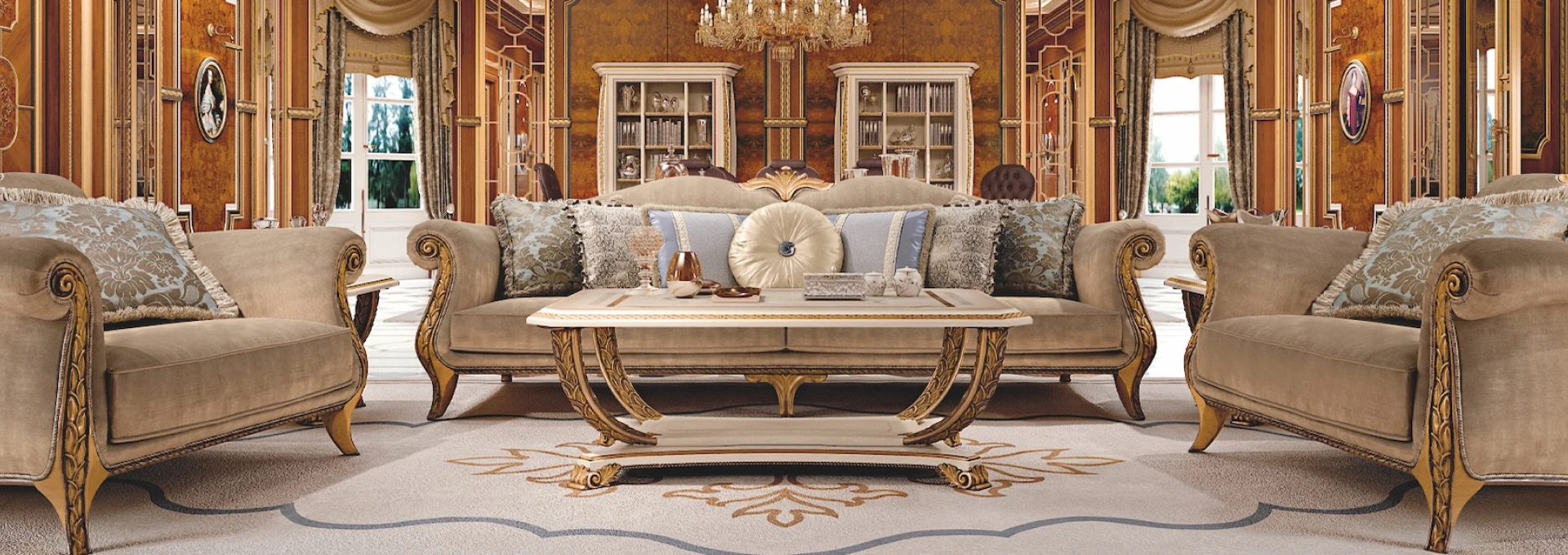
Understanding the Role of Furniture in Daily Life
Furniture is more than just a collection of chairs, tables, and wardrobes. It shapes how we live, influences comfort, and reflects our personal style. From practical storage to decorative accents, furniture plays an essential role in creating functional and welcoming living spaces. For homeowners, renters, and interior designers alike, understanding the fundamentals of furniture selection is crucial when building a home environment that is both beautiful and practical.
Historical Background of Furniture
Furniture has been a part of human life for thousands of years, evolving with cultures, craftsmanship, and resources available. Ancient Egyptians crafted wooden stools and beds, while the Greeks and Romans favoured marble and bronze tables. Over the centuries, styles changed from the ornate carvings of the Baroque period to the minimalist designs of modern times. Today, furniture reflects both tradition and innovation, combining classic inspiration with contemporary needs such as space-saving solutions.
Types of Furniture for Every Space
When choosing furniture, it helps to break it down into categories depending on the room and its purpose.
Living Room Furniture
-
Sofas and Sectionals: Centrepieces of social spaces, available in various fabrics, leathers, and modular designs.
-
Coffee Tables: Functional pieces for serving, displaying décor, or storage with hidden compartments.
-
TV Units: Practical storage with cable management, blending media needs with design.
-
Accent Chairs: Adding personality while providing additional seating.
Bedroom Furniture
-
Beds and Headboards: Ranging from wooden frames to upholstered luxury designs.
-
Wardrobes and Dressers: Essential for storage, with options for built-in or freestanding.
-
Bedside Tables: Small but vital for lamps, books, or personal items.
-
Mattresses: Arguably the most important purchase, influencing health, comfort, and sleep quality.
Dining Room Furniture
-
Dining Tables: Available in wood, glass, or stone, designed to suit small families or large gatherings.
-
Chairs and Benches: Styles vary from traditional upholstered to sleek metal frames.
-
Sideboards and Cabinets: Ideal for storing crockery, cutlery, and seasonal items.
Office and Study Furniture
-
Desks: Compact options for small flats or expansive workstations for professionals.
-
Ergonomic Chairs: Supporting posture and reducing strain during long working hours.
-
Bookshelves: Offering both display and organisation.
Outdoor Furniture
-
Patio Sets: Weather-resistant materials such as rattan, teak, or aluminium.
-
Sun Loungers: Perfect for relaxation and garden enjoyment.
-
Outdoor Storage: Keeping cushions, tools, and accessories safe from weather damage.
Popular Furniture Materials
Materials influence durability, comfort, and style. Understanding these options helps in making long-term investments.
-
Wood: Timeless, strong, and versatile. Hardwoods like oak and teak are prized for durability, while softwoods like pine offer affordability.
-
Metal: Popular in industrial and modern designs, resistant to wear but often combined with wood or glass.
-
Glass: Common for coffee and dining tables, offering elegance and a sense of openness.
-
Upholstery: Fabrics such as linen, velvet, and leather add texture and comfort.
-
Rattan and Wicker: Lightweight yet sturdy, favoured for outdoor or casual spaces.
Choosing the Right Furniture for Your Home
Selecting furniture requires balancing aesthetics, function, and lifestyle. A key phrase like furniture is best understood not just as decoration but as an investment in comfort and usability. Consider the following:
-
Room Size: Oversized sofas may overwhelm small living rooms, while compact furniture may look lost in a spacious open-plan home.
-
Lifestyle Needs: Families with children may prefer durable, easy-clean fabrics, while professionals might opt for sleek, minimalist setups.
-
Budget: High-quality investment pieces such as beds and sofas should take priority, while accessories can be updated more affordably.
-
Colour Palette: Furniture should complement the overall interior theme, whether neutral, bold, or seasonal.
Space-Saving Furniture for Modern Homes
With urban living often offering limited space, furniture innovation has adapted to meet these challenges. Popular solutions include:
-
Sofa beds that double as guest beds.
-
Extendable dining tables for small flats.
-
Wall-mounted desks for home offices.
-
Modular shelving units that can be rearranged.
These clever designs provide flexibility while ensuring comfort and functionality remain intact.
Furniture and Sustainability
As eco-conscious living becomes more important, sustainable furniture options are gaining popularity. Many buyers now look for pieces made from recycled wood, bamboo, or responsibly sourced materials. Durable, long-lasting furniture not only reduces waste but also provides better value over time. Repairable and customisable designs are also appealing to those seeking longevity and environmental responsibility.
Caring for Your Furniture
Proper maintenance extends the lifespan of furniture.
-
Wood: Polish regularly and avoid prolonged exposure to moisture.
-
Upholstery: Vacuum and spot clean to maintain freshness.
-
Leather: Condition periodically to prevent cracks.
-
Outdoor furniture: Store during harsh weather or use protective covers.
Emerging Trends in Furniture Design
Modern furniture trends emphasise comfort, sustainability, and multipurpose functionality. Some current highlights include:
-
Minimalist Scandinavian designs with clean lines.
-
Vintage-inspired furniture combining old charm with new comfort.
-
Smart furniture with built-in charging ports and hidden storage.
-
Biophilic designs that integrate natural textures and colours.
Frequently Asked Questions (FAQ)
What furniture should I prioritise when moving into a new home?
Start with essentials: a bed, a sofa, and a dining table with chairs. These core items support daily living, while other pieces can be added gradually.
How do I choose the right sofa size for my living room?
Measure your space carefully, leaving room for movement. A two-seater fits small flats, while larger families may prefer sectionals or corner sofas.
Is solid wood better than engineered wood for furniture?
Solid wood is durable and long-lasting, but engineered wood offers affordability and resistance to warping. The right choice depends on budget and lifestyle.
What is the lifespan of upholstered furniture?
With proper care, upholstered furniture such as sofas and chairs can last 7 to 15 years, depending on fabric quality and usage.
How can I make my furniture last longer?
Regular cleaning, using protective covers, and avoiding direct sunlight can extend the life of most furniture pieces.
Are multifunctional furniture pieces worth the investment?
Yes, especially in smaller homes. They maximise space without compromising on style or comfort, making them highly practical.

Comments are closed.