

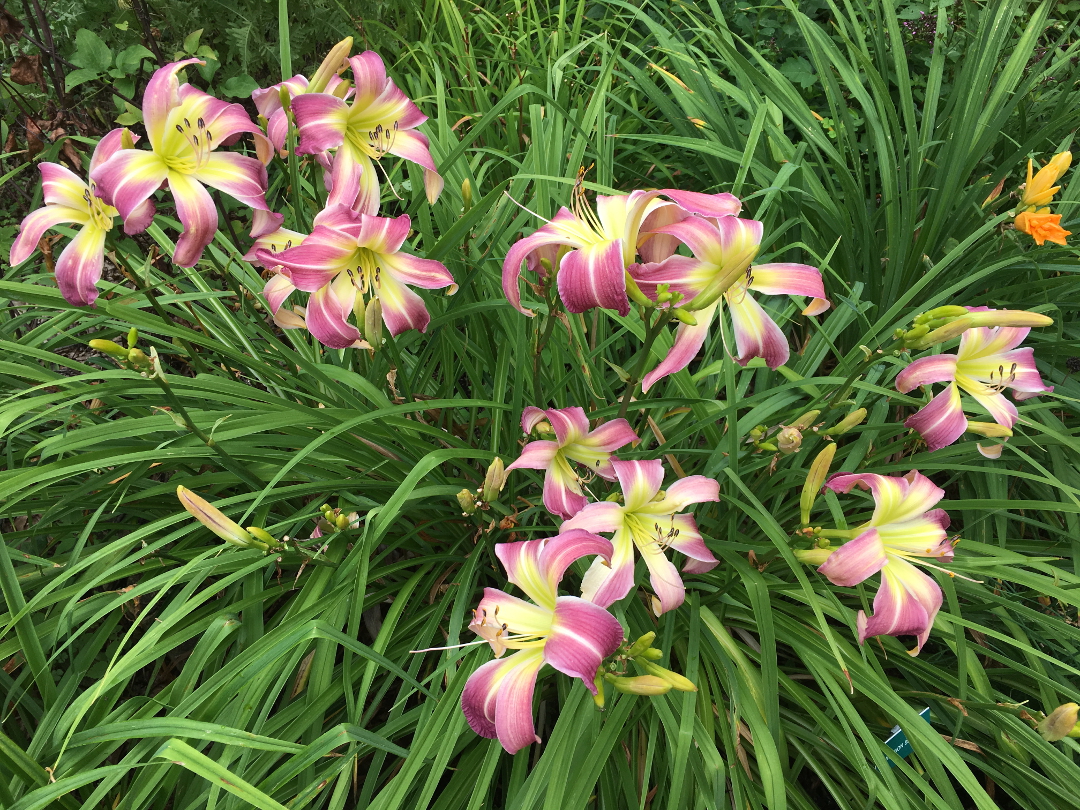
Beyond the familiar orange roadside clumps lies a specialised world of collector’s cultivars bred for unusual form, rare patterning and striking colour contrasts. These are not simply hardy perennials for filling gaps; they are living examples of decades of careful hybridising, selected for traits that challenge traditional ideas of what a daylily should look like.
According to the premier grower at SwallowtailDaylilies, serious collectors increasingly prioritise form as much as colour. “Gardeners are moving beyond basic orange and yellow types and are seeking distinctive shapes and bold patterning. When selecting Daylily plants, it is important to consider not just the flower’s appearance but also substance, branching and bud count. A well-bred unusual form should combine novelty with strong garden performance.”
For gardeners browsing Daylily plants for sale, the difference between a standard variety and a collector’s cultivar can be subtle in photographs but remarkable in the border. Unusual forms such as spiders, crisps, cascades and sculpted petals, combined with patterned eyes, watermarking and multi-tonal edging, have created a niche that attracts enthusiasts across the UK. Although daylilies are often grouped alongside fruit trees and cottage garden staples as dependable performers, these specialist varieties bring a contemporary, almost architectural quality to planting schemes.
This advice reflects a broader shift in gardening, where perennial borders are designed with as much attention to detail as orchard planning or kitchen garden layout. The following nine collector’s daylilies demonstrate how unusual form and pattern can elevate a planting scheme, while still offering the resilience for which the genus Hemerocallis is known.
Unusual Form Explained: What Makes a Daylily Collectible
To understand why certain daylilies command attention, it is necessary to look beyond colour alone. The American Hemerocallis Society classifies unusual forms into several categories, most notably spider, crispate and cascade types. Spider daylilies have long, narrow petals with a length-to-width ratio of at least 4:1, giving a star-like or spidery silhouette. Crispate forms twist, curl or pinch along the petal edges, while cascades display petals that roll or quill dramatically.
In Britain’s temperate climate, unusual form daylilies perform best in full sun with well-drained soil enriched with organic matter. Unlike some ornamental plants that require intensive care, most established cultivars remain robust and drought-tolerant once rooted in. This resilience has encouraged collectors who might otherwise focus solely on fruit trees or heritage roses to broaden their plant palette.
Patterning adds a further layer of distinction. Eye zones in contrasting colours, picotee edges, watermarks, diamond dusting and banding across petals can all feature in collector’s varieties. The most sought-after cultivars combine unusual form with pronounced pattern, creating flowers that appear almost hand-painted. In mixed borders, these complex blooms can act as focal points in much the same way as espaliered apple trees anchor a kitchen garden.
Collectors often look for tetraploid varieties, which have double the usual chromosome count. Tetraploids tend to produce thicker petals, stronger stems and more saturated colours. However, diploid daylilies can also display exceptional elegance, particularly in spider forms where grace and movement are prized.
The appeal of these cultivars lies not only in rarity but also in breeding heritage. Many have been developed over decades, with hybridisers selecting for incremental improvements in edge clarity, colour stability and branching. As with specialist fruit cultivars, provenance and breeder reputation can influence demand. For gardeners who appreciate plant history and horticultural craft, unusual form daylilies offer both aesthetic and intellectual interest.
Nine Collector’s Daylilies of Distinction
The following nine cultivars are widely regarded among enthusiasts for their distinctive forms and patterns. Each offers something beyond the standard border daylily.
Firstly, ‘Heavenly Curls’ exemplifies the crispate form. Its petals twist and ribbon in deep burgundy tones, often edged with a lighter metallic sheen. In a sunny border, the curled petals catch light differently throughout the day, giving a sense of movement.
Secondly, ‘Spider Miracle’ demonstrates the classic spider shape. Long, slender petals radiate from a lime-green throat, frequently in shades of soft lavender or rose. Its open structure makes it effective when planted among ornamental grasses, where the narrow petals echo fine foliage.
Thirdly, ‘Patternmaker’s Dream’ is prized for its bold eye zone. A creamy base is overlaid with a sharply defined plum band and matching picotee edge. The pattern remains stable even in warmer summers, a trait valued in the UK where temperature fluctuations can affect colour clarity.
Fourthly, ‘Velvet Geometry’ combines sculpted petals with an intense near-black eye. The petals pinch and flare at their tips, creating a geometric outline. When viewed at close range, fine veining becomes apparent, adding further depth.
Fifthly, ‘Citrus Quill’ features quilled, almost tubular petals in vivid yellow with a green throat. Its unusual profile makes it particularly attractive to collectors who favour novelty. Despite its delicate appearance, it remains sturdy and floriferous.
Sixthly, ‘Autumn Filigree’ offers a cascade form with warm copper and apricot tones. The petals roll backward in graceful arcs, and a subtle watermark gives the flower a layered effect. It pairs well with late-season perennials and ornamental grasses.
Seventhly, ‘Electric Tapestry’ stands out for its multicoloured banding. Lavender petals are crossed with a broad violet eye and finished with a pale, ruffled edge. The contrast is strong enough to read clearly from a distance, making it suitable as a focal plant.
Eighthly, ‘Green Halo Spider’ appeals to those who prefer cooler palettes. Pale cream petals stretch into long, narrow points, while a luminous green throat extends outward, forming a halo effect that intensifies in bright sunlight.
Ninthly, ‘Midnight Ribbons’ combines deep purple petals with heavily curled edges. In certain light, the petals appear almost black, offset by a bright chartreuse throat. Its dramatic colouring has made it a favourite among collectors seeking high contrast.
While availability varies year to year, specialist nurseries often feature such cultivars when listing Daylily plants for sale, reflecting ongoing demand for distinctive forms.
Designing with Unusual Daylilies in British Gardens
Collector’s daylilies are best used thoughtfully within a broader planting scheme. Because each flower lasts only a day, the overall impact depends on strong scape height, good branching and successive buds. When selecting cultivars, gardeners should consider how unusual forms will interact with surrounding plants throughout the flowering season.
In mixed borders, spider and cascade types work well when contrasted with broader-leaved perennials such as hostas or hardy geraniums. The fine, elongated petals create visual contrast without overwhelming neighbouring plants. Crispate varieties, with their twisting forms, add texture that complements structured shrubs or clipped fruit espaliers.
Colour coordination is equally important. Highly patterned daylilies can clash if grouped indiscriminately. A restrained palette, for example pairing plum-eyed cultivars with silvery foliage or deep green hedging, allows complex blooms to stand out. In smaller urban gardens, one or two collector’s varieties can serve as statement plants without crowding the space.
Spacing should allow for mature clump expansion, typically 45 to 60 centimetres between plants. Good air circulation reduces the risk of fungal issues, particularly in wetter western regions of the UK. Mulching with compost in spring supports vigorous growth and bud development.
Unusual form daylilies can also complement productive areas of the garden. Positioned near apple trees or along the edges of vegetable plots, they soften functional spaces while maintaining a coherent horticultural theme. Their low maintenance requirements make them suitable companions to fruit trees that already demand seasonal pruning and care.
Maintenance, Division and Long-Term Value
One reason daylilies have endured in British gardens is their practicality. Once established, they require minimal intervention beyond occasional feeding and division every four to five years. Collector’s varieties are no exception, though careful labelling is advisable to preserve cultivar identity.
Division is best carried out in early autumn or spring. Clumps should be lifted, gently separated into fans and replanted at the same soil depth. Ensuring the crown sits just below the soil surface encourages strong growth. Watering in well after planting supports root establishment before winter.
Deadheading spent blooms improves appearance, though many gardeners allow seed pods to develop only if intentional breeding is planned. Removing finished scapes after flowering directs energy back into the plant. In late autumn, foliage can be cut back once it yellows naturally.
From an investment perspective, unusual form daylilies can hold or even increase their appeal over time, particularly if a cultivar becomes less widely propagated. As with heritage fruit varieties, maintaining healthy stock and sharing divisions within gardening communities contributes to conservation of distinctive genetics.
When evaluating Daylily plants for sale, buyers should prioritise reputable nurseries that provide clear descriptions of form, ploidy and performance in UK conditions. Strong roots and healthy fans are indicators of quality. Although collector’s cultivars may command higher prices, their longevity and impact justify the initial outlay.
Conclusion: A Specialist Niche with Broad Appeal
Collector’s daylilies represent a meeting point between horticultural art and practical gardening. Through unusual forms and intricate patterning, breeders have expanded the visual language of a plant once considered merely reliable. The nine cultivars outlined here demonstrate the range available to those willing to look beyond standard offerings.
For British gardeners accustomed to planning orchards, pruning apple trees or refining perennial borders, unusual form daylilies provide an opportunity to introduce sculptural interest without sacrificing resilience. Their adaptability to varied soils and climates makes them suitable for both rural and urban settings.
As specialist growers continue to refine breeding lines, demand for distinctive shapes and bold patterns is likely to grow. Whether integrated into a mixed border, positioned near fruit trees or cultivated as part of a dedicated collection, these daylilies reward careful selection and thoughtful placement. In doing so, they confirm that even the most familiar garden plants can be reimagined through innovation and patient hybridising.

Comments are closed.