

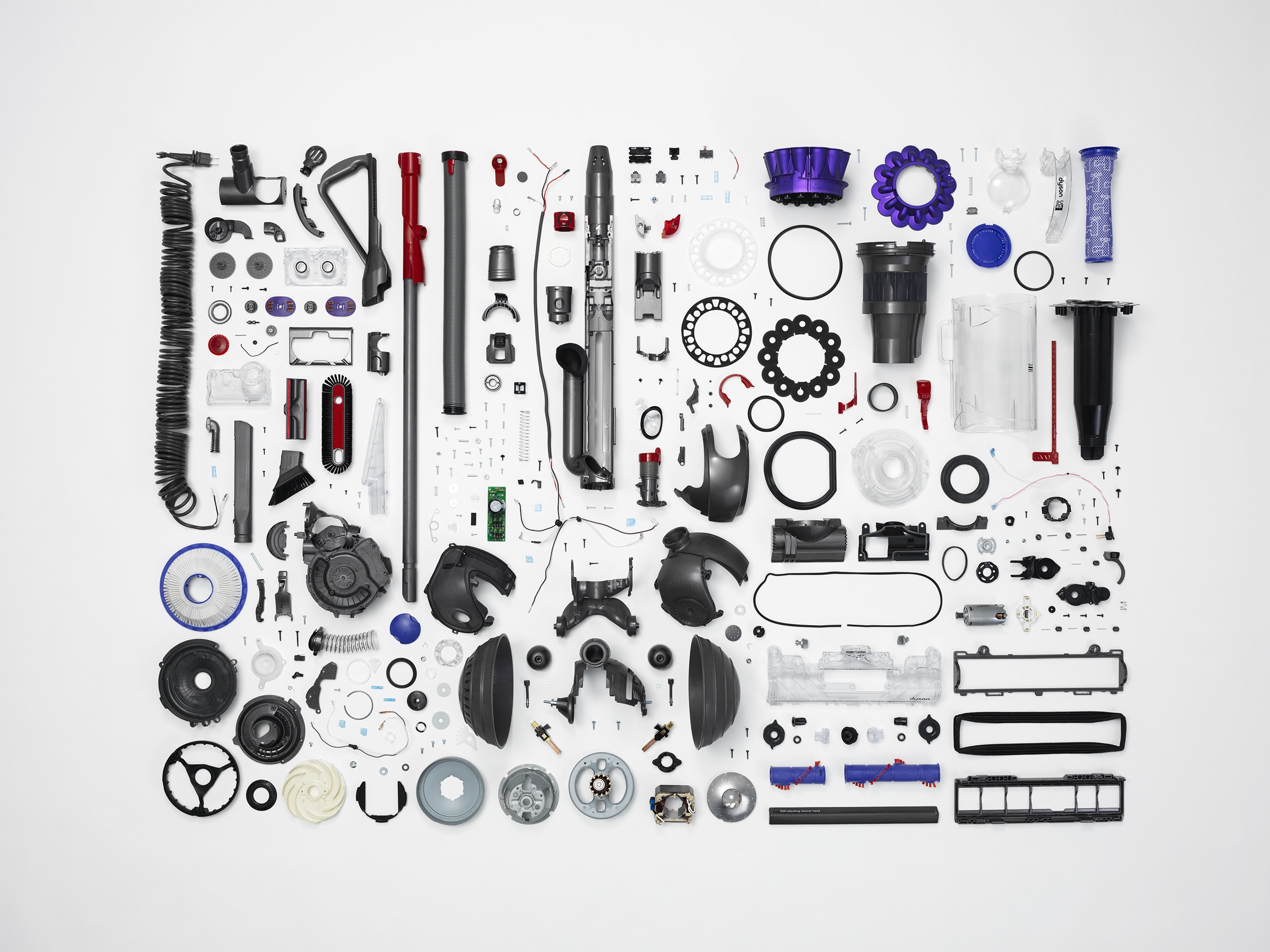
Your repair usually goes fastest if you first make sure exactly which appliance you have, and only then pick the part. So start with the model code on the rating plate. That way you avoid ordering something that looks the same but is made slightly differently. You’ll get to parts that truly match your specific version sooner—and that saves time and hassle during installation.
Start with the rating plate, not the symptom
A complaint doesn’t always tell you enough. A rattling washing machine, for example, could be related to a pump, bearing, shock absorber, or something that’s come loose. If you search only by brand and symptom, you often end up with multiple options that look almost identical. With the model code, you filter straight to the correct version.
Copy that model code exactly, including hyphens, extra letters, and spaces. Those details often determine which variant fits in terms of shape and connections. This is especially important for parts where fit is critical, like a door seal or parts with a fixed connection: you want it to connect without forcing and be neat to install.
The rating plate is often in logical places, for example around the door opening or behind a small flap (washing machine), along the edge of the door (dishwasher), inside on the side wall (fridge), in the door frame or on the back (oven or hob), or on the underside (vacuum cleaner).
How to check you’ve really got the right part
A correct model code is a strong start, but there can still be variants within one model range. So also grab the old part and compare the things you can see right away. For example, check:
- Shape: does the outline match, including bends and edges?
- Connections: same plug type, same number of contacts, same position of tabs or hose couplings?
- Dimensions: are length, diameter, thickness, and centre-to-centre distance of screw holes the same?
- Orientation: left or right, and is a sensor or cut-out in the same place?
- Mounting points: do clamps, clips, and screw holes match what you see in the appliance?
If you place them side by side, small differences often stand out immediately. Think of a pump where the hose bend sits slightly differently, or a hinge that “sits” differently so the door doesn’t close properly.
Also make sure you include whatever completes the installation, such as a clamp, seal, filter, or fastener that belongs with your setup. That way you won’t have to stop halfway because one small piece is missing.
Original or universal: when does what work?
Universal parts can work perfectly well if the size and connection clearly match. You often see that with simpler parts like some filters, hoses, or accessories. Then it mainly comes down to concrete points like diameter, connection type, and length.
For parts that are made for a specific version, an exact match is usually more important. Think of a door seal, hinge, electronic component, or a specific pump. You’ll know you’re on the right track when everything drops into place without forcing, connections sit without tension, and a seal closes evenly all the way around. Especially with watertight connections or electrical parts, you want the part to fit logically straight away.
When to push on yourself and when help is nicer
DIY repair is often very doable if you have the right variant. If you’re torn between two almost identical options, the rating plate is hard to read, or a connection doesn’t look like a one-to-one match, make it checkable: take clear photos of the rating plate and the old part, plus any part numbers and connectors. That lets you verify more precisely which variant matches your version.
If you’re moving into electrical parts, or you see signs you should check first (for example, moisture marks around couplings), it’s often nicer to have someone take a look before you continue.
Want to search directly from your model code? Then at Fixpart you can filter straight to your specific version, so you’ll get to a part that fits first time faster.

Comments are closed.