

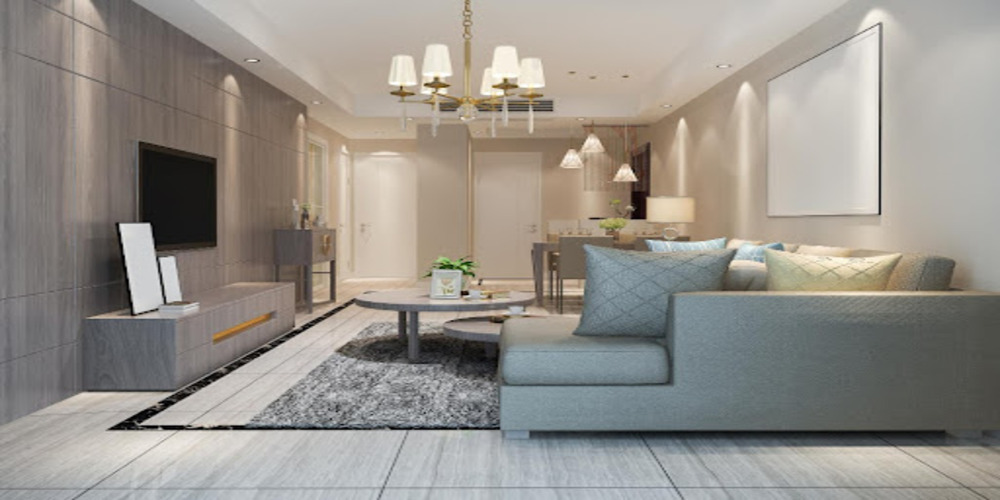
Understanding Interiors as a Concept
Interiors are more than walls, furniture, and paint. They represent how a space feels, functions, and communicates the lifestyle of those who live in it. From traditional English country houses to modern minimalist apartments, interiors play a pivotal role in shaping atmosphere and wellbeing. A well-planned interior combines aesthetics, comfort, and practicality, making it both visually appealing and functional.
The Importance of Interior Design
Interior design is not simply about decoration; it is about problem-solving. The arrangement of furniture, lighting, and accessories can influence mood, productivity, and even health. For instance, cluttered layouts often increase stress, while open spaces promote calm and efficiency. Investing in interiors creates long-term benefits such as improved quality of life, enhanced property value, and personalised comfort.
Core Elements of Interiors
Every successful interior balances several essential elements. Understanding these principles helps homeowners and designers craft harmonious spaces.
Space Planning
-
Functionality: Ensuring rooms are not overcrowded but also not left empty.
-
Flow: Allowing easy movement between areas without obstruction.
-
Balance: Mixing large and small pieces to avoid disproportion.
Light
Natural and artificial lighting determines how colours appear and how a room feels. Large windows bring warmth and openness, while layered lighting with ceiling fixtures, lamps, and wall sconces creates depth.
Colour
Colour influences psychology. Neutral palettes give timeless elegance, while bold hues express energy and creativity. The right choice depends on the mood one wishes to establish.
Texture and Materials
Using varied textures such as wood, linen, stone, or glass prevents monotony. Mixing soft and hard surfaces adds richness to interiors.
Furniture
Furniture anchors a room. Choosing proportionate, comfortable, and quality pieces ensures functionality and durability.
Interior Styles to Explore
Different styles offer unique atmospheres. Here are a few popular approaches:
Modern Interiors
Defined by clean lines, open layouts, and neutral colour schemes, modern interiors embrace simplicity without sacrificing comfort.
Classic Interiors
Drawing inspiration from historic architecture, classic interiors feature ornate details, symmetry, and timeless elegance.
Industrial Interiors
Characterised by exposed brick, steel, and raw finishes, this style celebrates the beauty of unfinished textures.
Scandinavian Interiors
Minimalist yet cosy, Scandinavian interiors focus on natural light, muted tones, and functionality.
Eclectic Interiors
A playful mix of eras, colours, and textures, eclectic interiors allow personal expression while maintaining balance.
Functional Interiors for Everyday Living
Designing interiors is not only about beauty; it must enhance daily life. Practical interiors provide comfort in every corner.
-
Living rooms: Arrange seating for conversation and entertainment.
-
Bedrooms: Focus on relaxation through calming colours and supportive furniture.
-
Kitchens: Prioritise workflow with smart storage and durable surfaces.
-
Bathrooms: Use moisture-resistant materials and adequate lighting.
-
Home offices: Create a productive environment with ergonomic furniture and good lighting.
Sustainable Interiors
Sustainability is becoming central to interior choices. Environmentally conscious homeowners now focus on:
-
Recycled materials and reclaimed wood
-
Low-VOC paints
-
Energy-efficient lighting
-
Indoor plants for air purification
These eco-friendly interiors support both the planet and healthier living.
Personalising Interiors
Interiors should reflect personality. Adding photographs, artwork, and meaningful objects creates authenticity. The balance lies in ensuring personal touches do not overwhelm overall harmony.
Trends in Interiors
Current design movements highlight how lifestyles evolve:
-
Biophilic design: Integrating nature indoors with greenery and natural textures.
-
Smart interiors: Home automation that adjusts lighting, temperature, and security.
-
Multi-functional spaces: Rooms adapted for work, play, and rest in compact homes.
-
Bold accents: Statement walls, patterned tiles, and unique lighting fixtures.
The Role of Professionals
While many homeowners enjoy DIY, professional interior designers provide expertise in space planning, technical drawings, and sourcing high-quality materials. They also help avoid costly mistakes and ensure spaces align with safety standards.
How Interiors Influence Wellbeing
Research shows that interiors directly affect mental and physical health. Natural light improves mood, ergonomic furniture reduces strain, and organised spaces promote clarity. Interiors designed with wellbeing in mind create environments where people feel both comfortable and inspired.
Interior Design in the UK Context
British interiors often balance heritage with modern innovation. Georgian townhouses, Victorian terraces, and contemporary lofts all offer unique challenges and opportunities. Many UK homeowners seek to blend tradition with practicality, creating spaces that honour history while meeting modern demands.
Key Considerations Before Redesigning Interiors
-
Budget planning to avoid overspending
-
Analysing lifestyle needs before choosing layouts
-
Assessing existing natural light and ventilation
-
Choosing durable finishes suitable for children or pets
-
Long-term flexibility to adapt to future needs
FAQs on Interiors
What is the difference between interior design and interior decoration?
Interior design covers planning, functionality, and structure, while decoration focuses on style, furniture, and aesthetics.
How can I make a small room look larger?
Use light colours, mirrors, and multi-functional furniture to create the illusion of space.
Are sustainable materials more expensive?
Initially, eco-friendly options may cost more, but they provide durability and long-term savings.
What colours are best for a relaxing bedroom?
Soft blues, greens, and neutrals are proven to create calm and restful environments.
How do I choose the right lighting for my interiors?
Layer different types of lighting: ambient for general brightness, task lighting for activities, and accent lighting for highlighting features.
Can interiors influence productivity?
Yes, layouts with natural light, ergonomic seating, and minimal clutter greatly enhance concentration and efficiency.

Comments are closed.