

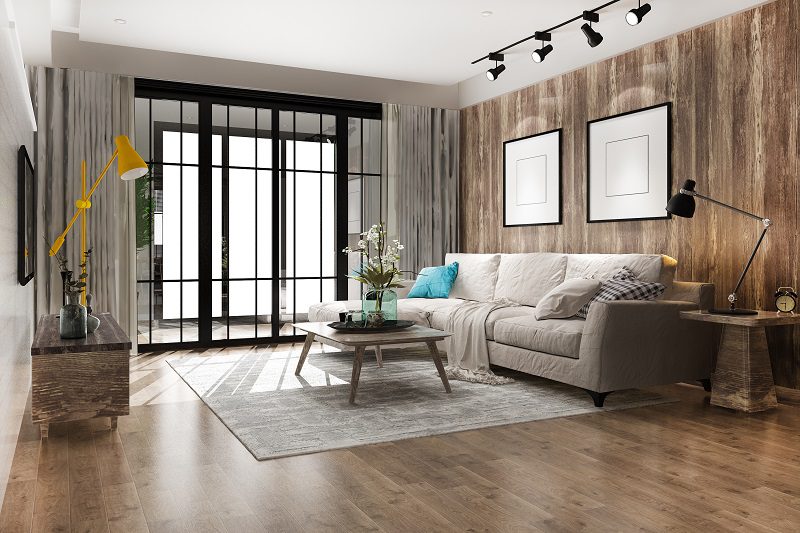
Flooring is one of the most defining elements of any property. It sets the tone for the style, influences comfort, and has a major impact on the practicality of a space. When selecting new flooring, homeowners must balance durability, aesthetics, cost, and maintenance requirements. The right choice can add value to your home, improve daily living, and complement your lifestyle.
In this article, we’ll explore the wide range of flooring options available, their advantages and disadvantages, and the factors you should consider before making a decision.
Why Flooring Matters
The type of flooring you choose is not just about appearance. It plays an important role in:
-
Durability and longevity: Different materials have varying resistance to wear, moisture, and stains.
-
Comfort and insulation: Some floors feel warmer and softer underfoot, making them better for colder climates or family spaces.
-
Maintenance: Easy-to-clean flooring saves time and effort, especially in high-traffic areas.
-
Home value: High-quality and well-maintained floors can significantly increase property value.
-
Safety: Slip-resistant surfaces are crucial in bathrooms, kitchens, and homes with elderly residents or children.
Types of Flooring Materials
Hardwood Flooring
Hardwood is a timeless choice known for its elegance and long-lasting appeal. It can be sanded and refinished multiple times, making it a sustainable option.
-
Pros: Natural beauty, adds value, long-lasting.
-
Cons: Expensive, prone to scratches, sensitive to moisture.
-
Best for: Living rooms, bedrooms, and dining areas.
Laminate Flooring
Laminate replicates the look of wood, tile, or stone at a more affordable price. It uses a photographic layer under a protective coating to create its design.
-
Pros: Cost-effective, scratch-resistant, easy to install.
-
Cons: Cannot be refinished, less water-resistant than vinyl.
-
Best for: Living rooms, hallways, and rental properties.
Vinyl Flooring
Vinyl has grown in popularity thanks to its durability, waterproof properties, and modern designs.
-
Pros: Water-resistant, easy maintenance, comfortable underfoot.
-
Cons: May fade in direct sunlight, lower resale value than hardwood.
-
Best for: Kitchens, bathrooms, and basements.
Tile Flooring
Tiles, whether ceramic or porcelain, are highly durable and available in countless patterns and finishes.
-
Pros: Water-resistant, long-lasting, easy to clean.
-
Cons: Cold and hard underfoot, grout requires upkeep.
-
Best for: Bathrooms, kitchens, and outdoor spaces.
Carpet Flooring
Carpet provides warmth, comfort, and sound insulation, making it popular for family homes.
-
Pros: Soft underfoot, reduces noise, affordable options.
-
Cons: Stains easily, requires regular vacuuming, less durable in high-traffic areas.
-
Best for: Bedrooms, living rooms, and nurseries.
Stone Flooring
Natural stone such as marble, granite, or slate creates a luxurious and durable surface.
-
Pros: High-end appeal, very durable, unique patterns.
-
Cons: Expensive, heavy, requires sealing.
-
Best for: Entryways, luxury homes, and outdoor patios.
Engineered Wood
Engineered wood combines a hardwood veneer with layers of plywood or fibreboard for better stability.
-
Pros: Looks like hardwood, more moisture-resistant, less costly.
-
Cons: Limited refinishing, still prone to scratches.
-
Best for: Living spaces where moisture levels fluctuate.
Factors to Consider When Choosing Flooring
When selecting flooring, it’s important to think beyond style. Key factors include:
-
Lifestyle: Homes with children or pets may benefit from scratch-resistant and easy-clean materials.
-
Room function: Bathrooms and kitchens need water-resistant options, while bedrooms can prioritise comfort.
-
Budget: Prices vary widely, so consider both initial costs and long-term maintenance.
-
Climate: Humidity and temperature changes affect flooring differently. For example, wood expands and contracts more than tile.
-
Maintenance commitment: Some flooring requires sealing, refinishing, or regular deep cleaning.
Flooring Trends in Modern Homes
Current flooring trends reflect a balance between style and practicality. Homeowners are leaning towards:
-
Wide plank hardwoods for a contemporary look.
-
Luxury vinyl tiles (LVT) that mimic wood and stone realistically.
-
Eco-friendly flooring such as bamboo and cork.
-
Patterned tiles for bathrooms and kitchens.
-
Hybrid floors combining the benefits of laminate and vinyl.
Installation Methods
The method of installation influences cost, time, and future maintenance:
-
Nail-down: Traditional for hardwood, requires professional skill.
-
Glue-down: Common for vinyl and engineered wood.
-
Floating floors: Boards lock together without adhesive, making DIY installation possible.
-
Click-and-lock systems: Popular for laminate and vinyl planks due to ease of fitting.
Caring for Your Flooring
Proper maintenance extends the lifespan of your flooring:
-
Hardwood: Sweep regularly, use protective pads, and refinish as needed.
-
Tile: Clean grout and use sealant to prevent staining.
-
Carpet: Vacuum frequently and schedule deep cleaning.
-
Vinyl and laminate: Mop with suitable cleaning solutions and avoid harsh chemicals.
-
Stone: Reseal periodically and clean with pH-neutral products.
FAQs about Flooring
What flooring is best for pets?
Vinyl and laminate are excellent for homes with pets as they resist scratches and are easy to clean.
Can flooring improve energy efficiency?
Yes, carpet and cork provide insulation, while tile and stone can keep rooms cooler in warm climates.
How often should hardwood be refinished?
Typically every 7–10 years, but it depends on wear, foot traffic, and the type of finish applied.
Is eco-friendly flooring durable?
Options like bamboo and cork are sustainable and resilient, though they require proper care to maintain longevity.
What is the cheapest flooring option?
Vinyl and laminate tend to be the most affordable while still offering attractive finishes. Even budget-friendly materials require correct setup to perform well over time. Poor preparation often leads to uneven surfaces or early wear. To avoid these issues, it is wise to work with a licensed flooring installer who understands subfloor preparation. Professional help ensures your new floors look great and remain durable for years.
How can I make small rooms look bigger with flooring?
Lighter shades, larger planks, and continuous flooring across rooms create an illusion of space.

Comments are closed.