

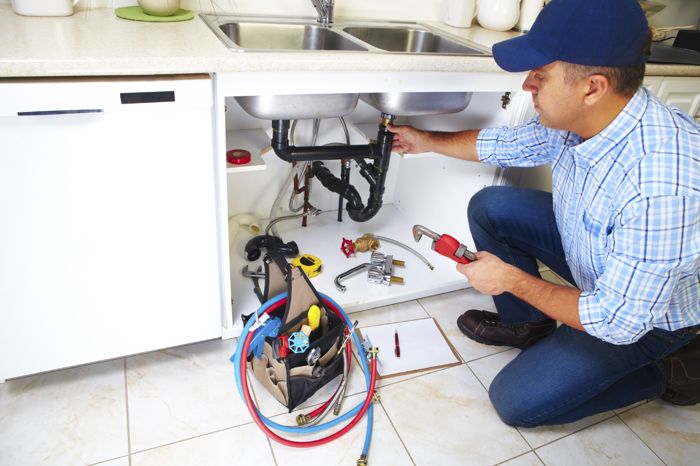
Plumbing is one of the most essential systems in any home or commercial property, yet it is often overlooked until a problem arises. A well-maintained plumbing system ensures clean water supply, safe waste removal, and efficient heating. Whether you are a homeowner looking to upgrade your bathroom or a property manager maintaining multiple buildings, understanding the basics of plumbing can save time, money, and stress. This guide explores the fundamentals, common issues, modern trends, and practical tips for keeping your plumbing system in top condition.
Understanding the Basics of Plumbing
At its core, plumbing involves two main functions: supplying water and removing waste. These functions rely on a network of pipes, valves, fixtures, and fittings that work together to maintain hygiene and comfort in a building.
The Water Supply System
This system brings fresh water into the property under pressure. It typically connects to a municipal supply or a private well. Key components include:
-
Main shut-off valve to stop the water flow in emergencies
-
Pipes made from copper, PVC, or PEX that carry water throughout the building
-
Taps and fixtures that regulate flow for daily use
The Drainage System
Wastewater must be carried safely away from the property. This is achieved through the drainage system, which operates mainly by gravity. Components include:
-
Drain pipes that channel wastewater from sinks, toilets, and appliances
-
Traps that prevent sewer gases from entering living spaces
-
Vent pipes that allow air to circulate, ensuring smooth drainage
Common Plumbing Problems and Their Causes
Even the best plumbing systems face occasional issues. Recognising common problems can help you act quickly.
Leaking Taps and Pipes
A persistent drip not only wastes water but also increases utility bills. Most leaks are caused by worn washers, corroded seals, or pipe damage.
Low Water Pressure
Often linked to mineral build-up, leaks, or problems with the water supply, low pressure makes showers and washing less effective.
Blocked Drains
From hair in the bathroom sink to grease in the kitchen, blockages are one of the most frequent issues. Over time, they can lead to unpleasant odours and even pipe bursts.
Running Toilets
A faulty flapper or valve can cause continuous water flow, wasting hundreds of litres daily if left unchecked.
Plumbing in Modern Homes
The field of plumbing has advanced considerably. Modern homes are designed with efficiency, sustainability, and convenience in mind.
Energy-Efficient Systems
Homeowners are increasingly adopting:
-
Tankless water heaters that heat water on demand
-
Low-flow taps and showerheads to reduce water use
-
Smart leak detectors that send alerts to your phone
Sustainable Plumbing
Eco-friendly options such as rainwater harvesting and greywater recycling systems are becoming popular, reducing strain on municipal supplies and lowering bills.
Maintenance Tips for Long-Lasting Plumbing
Routine maintenance prevents costly breakdowns and prolongs the life of your system.
-
Inspect visible pipes regularly for signs of corrosion or leaks
-
Clean aerators on taps to remove mineral deposits
-
Avoid pouring grease down the sink to prevent blockages
-
Flush the water heater annually to remove sediment build-up
-
Test the pressure relief valve for safety
Plumbing in Commercial Properties
For property managers, plumbing is more complex due to the scale of systems. Large buildings often require:
-
Booster pumps to maintain consistent water pressure
-
Industrial water heaters for high demand
-
Backflow prevention devices to protect the water supply
-
Scheduled inspections to meet safety regulations
Neglecting these systems can disrupt operations, leading to costly repairs and business downtime.
Choosing the Right Professional for Plumbing Work
While some minor tasks like changing a washer can be tackled by a homeowner, more complex jobs demand professional expertise. When selecting a plumber, consider:
-
Licensing and certifications
-
Experience with residential or commercial systems
-
Transparent pricing and guarantees
-
Availability for emergency services
A trusted professional ensures compliance with building codes and delivers long-lasting solutions.
Innovations in Plumbing Technology
The plumbing industry continues to evolve with new technologies that make systems more reliable and sustainable:
-
Smart plumbing systems integrated with home automation
-
PEX piping that is flexible, durable, and resistant to freezing
-
Touchless fixtures that improve hygiene in kitchens and bathrooms
-
Water-saving dual flush toilets that balance convenience with conservation
These innovations not only enhance comfort but also support long-term property value.
Safety and Compliance in Plumbing
Compliance with plumbing codes is crucial for safety and insurance. Proper installation prevents hazards such as:
-
Contamination of drinking water
-
Gas leaks from faulty connections
-
Burst pipes due to incorrect sizing
Always ensure work meets local building standards, especially in rental or commercial properties.
FAQs About Plumbing
How often should I get my plumbing inspected?
For residential homes, a professional inspection every 1–2 years is advisable. Commercial properties may require quarterly or annual checks depending on usage.
What is the best way to prevent frozen pipes in winter?
Insulating pipes, maintaining indoor heating, and allowing taps to drip slightly in extreme cold are effective methods.
Can hard water damage my plumbing system?
Yes, hard water leads to scale build-up in pipes and appliances, reducing efficiency and lifespan. Installing a water softener helps address this issue.
Is it safe to use chemical drain cleaners?
While convenient, frequent use of harsh chemicals can damage pipes. Mechanical methods like plungers or drain snakes are safer alternatives.
What should I do if my water bill suddenly increases?
A sudden spike often indicates a hidden leak. Check toilets, taps, and outdoor hoses. If you cannot locate the source, contact a plumber promptly.
Are smart plumbing devices worth the investment?
Yes, devices like leak detectors and smart water meters provide early warnings, helping prevent costly water damage and conserving resources.

Comments are closed.